WebRTC Development Services
RTC LEAGUE delivers WebRTC as a Service. A fully engineered, optimized, and operated real-time communication stack built by engineers who work at the protocol layer, not the API wrapper. From architecture design through media server configuration to AI pipeline integration, RTC LEAGUE handles the WebRTC stack end to end.
Led by Muhammad Usman Bashir, CTO, ranked #1 on the LiveKit Global Community Leaderboard.
What Is WebRTC and What Does WebRTC as a Service Mean?

WebRTC (Web Real-Time Communication) is an open-source protocol that enables real-time audio, video, and data transfer directly between devices without plugins. It powers the majority of modern video calling, live streaming, and conferencing applications shipping today. WebRTC is infrastructure. Reaching sub-300ms latency, stable multi-party conferencing, and reliable global streaming requires engineering depth beyond basic API integration. WebRTC as a Service means RTC LEAGUE owns that engineering work: architecture design, media server configuration, TURN and STUN topology, and AI pipeline integration, delivered as a managed engagement.
DIY WebRTC Compared With WebRTC as a Service
Why Engineering Teams Choose RTC LEAGUE
Most WebRTC providers stop at API integration. RTC LEAGUE engineers the protocol layer, media servers, codec pipeline, and global TURN topology that determine whether the system performs under real production conditions.

Deep-Stack WebRTC Expertise
RTC LEAGUE operates at the infrastructure layer: SFU development, TURN and STUN configuration, custom media pipelines, and codec selection. Engineering is led by Muhammad Usman Bashir, CTO, ranked #1 on the LiveKit Global Community Leaderboard.

Sub-300ms Media Latency by Design
Systems architected for poor networks and mobile transport, solving lag and audio artifacts at the infrastructure level instead of patching them in the client. Latency budgets are set during architecture design and validated in load testing.

AI-Native from Day One
Live transcription, voice agents, and intelligent routing are integrated at the WebRTC transport layer. AI capabilities are native infrastructure, not bolt-on client widgets.
RTC LEAGUE WebRTC Development Services
Six focused engagements across the WebRTC stack, from client SDKs to global media infrastructure. RTC LEAGUE works on full-cycle builds, staff augmentation, and rescue engagements on existing production systems.

Full-Cycle WebRTC Application Development
End-to-end application development for video calling platforms, low-latency meeting rooms, and interactive streaming apps. Architecture design, media server selection, client SDK implementation, and production launch all delivered under a single engagement. When to use: greenfield builds where the team has no existing WebRTC codebase.

WebRTC Integration Engineering
Optimization and integration of LiveKit, Janus, MediaSoup, Jitsi, or commercial providers such as Agora and Twilio, matched to the performance envelope of your product. When to use: teams that have chosen a media server stack and need engineering depth to implement it correctly at production scale.

WebRTC Infrastructure Engineering
Hardened TURN and STUN setup, custom SFU development for high-demand systems, and scalable transport-layer infrastructure designed for platforms expecting significant growth. When to use: platforms outgrowing off-the-shelf SFU capabilities or hitting reliability limits on their current transport layer.

WebRTC Performance Optimization and Audit
Auditing and fixing packet prioritization failures, bandwidth inefficiencies, adaptive bitrate misconfigurations, and codec mismatches, delivered without forcing a full rebuild of the existing system. When to use: production WebRTC systems suffering audio dropouts, video freezing, or bandwidth spikes.

Greenfield WebRTC Setup for New Builds
Complete foundation setup from zero: architecture design, media server selection, infrastructure provisioning, and AI pipeline integration for a scalable production start. When to use: new product initiatives where the WebRTC decision needs to be right from the first architecture review.

Real-Time AI Enhancements
AI-driven call assistance, real-time speech-to-text, automated moderation, and LLM-powered agents integrated at the WebRTC transport layer as native infrastructure components. When to use: teams adding AI capabilities to existing WebRTC platforms or building AI-native voice products from day one.
WebRTC Capabilities RTC LEAGUE Delivers
Performance-first WebRTC capabilities engineered for modern real-time products. These capabilities ship across every platform RTC LEAGUE builds or rescues.
Real-Time Audio and Video Calling
Clear voice and video tuned for sub-300ms end-to-end latency. Codec selection and processing applied at the transport layer, not in client wrappers.

Screen Sharing and Collaboration
High-quality screen sharing and co-browsing capability built for distributed teams, customer support workflows, and product demonstrations.

Multi-Party Conferences
SFU-based architecture supports up to 10,000 concurrent participants in a single room, with dynamic routing and bandwidth-aware participant handling.

Encrypted Transport by Default
DTLS for signaling and SRTP for media on every session. TURN configurations hardened against WebRTC IP leaks. Compliance evidence available for SOC 2, HIPAA, and GDPR audits.

Data Channels and File Transfer
Instant messaging, low-latency data operations, and file transfer running alongside media over the same WebRTC connection.

Industries Deploying RTC LEAGUE WebRTC Systems
WebRTC is the foundation for real-time delivery across sectors where latency, reliability, and security all matter. RTC LEAGUE ships production systems into six primary industries.
 How we work
RTC WebRTC Delivery Framework v1.0
A six-step framework applied on every WebRTC engagement, from greenfield builds to rescue projects. Every step has a defined deliverable and a pass/fail criterion tied to a specific technical measurement. Every engagement passing all six steps ships a WebRTC platform verified against the target latency, scale, and compliance requirements.
Step 1: Discovery and Requirements
Technical discovery to capture user distribution, concurrent-session targets, latency budget, device coverage, and compliance requirements. Deliverable: written requirements document with target latency, target scale, and compliance scope.
Step 2: Architecture Design
SFU topology, signaling node placement, TURN and STUN region selection, and codec-pipeline design tied to Step 1 requirements. Deliverable: architecture document with topology diagram, media server choice, and latency-budget allocation across the stack.
Step 3: Build
Media server configuration, client SDK development, TURN and STUN deployment, and initial integration into the target application. Deliverable: working WebRTC platform in a staging environment with observable metrics.
Step 4: Integration
Connection to existing enterprise systems (identity, CRM, telephony, AI pipelines) and integration testing against the target architecture. Deliverable: end-to-end tested integration with production-parity data flows.
Step 5: Load Test to Production Scale
Load testing against the concurrent-session target defined in Step 1. Bottlenecks addressed at architecture, not client, level. Deliverable: load test report demonstrating stability at target scale plus a documented failure mode analysis.
Step 6: Launch and 24/7 Operations Handoff
Production launch with monitoring, alerting, and 24/7 engineering support handoff. Response SLAs defined and documented. Deliverable: runbook, monitoring dashboards, and operations SLA in force.
Is Your WebRTC System Ready for Production Scale?

Many teams ship WebRTC applications that pass on local networks and fail when real users arrive on mobile connections or from remote regions. Production reveals gaps that no lab test surfaces. The six production failures RTC LEAGUE audits most often:
RTC LEAGUE audits existing systems and fixes architecture issues without forcing a full rebuild in most cases.

WebRTC Systems RTC LEAGUE Has Shipped
Selected production engagements where WebRTC engineering was the critical delivery. Each links to the full engineering breakdown.
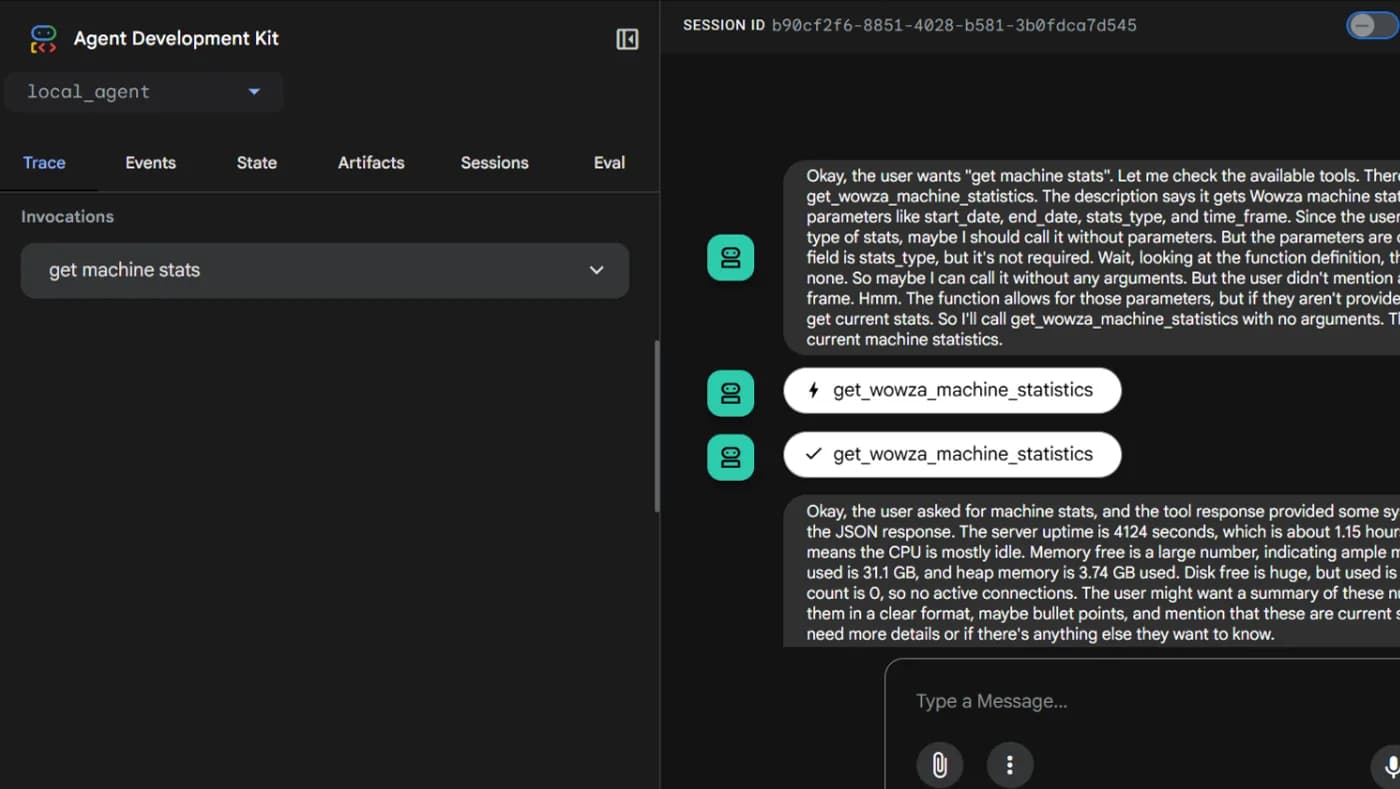
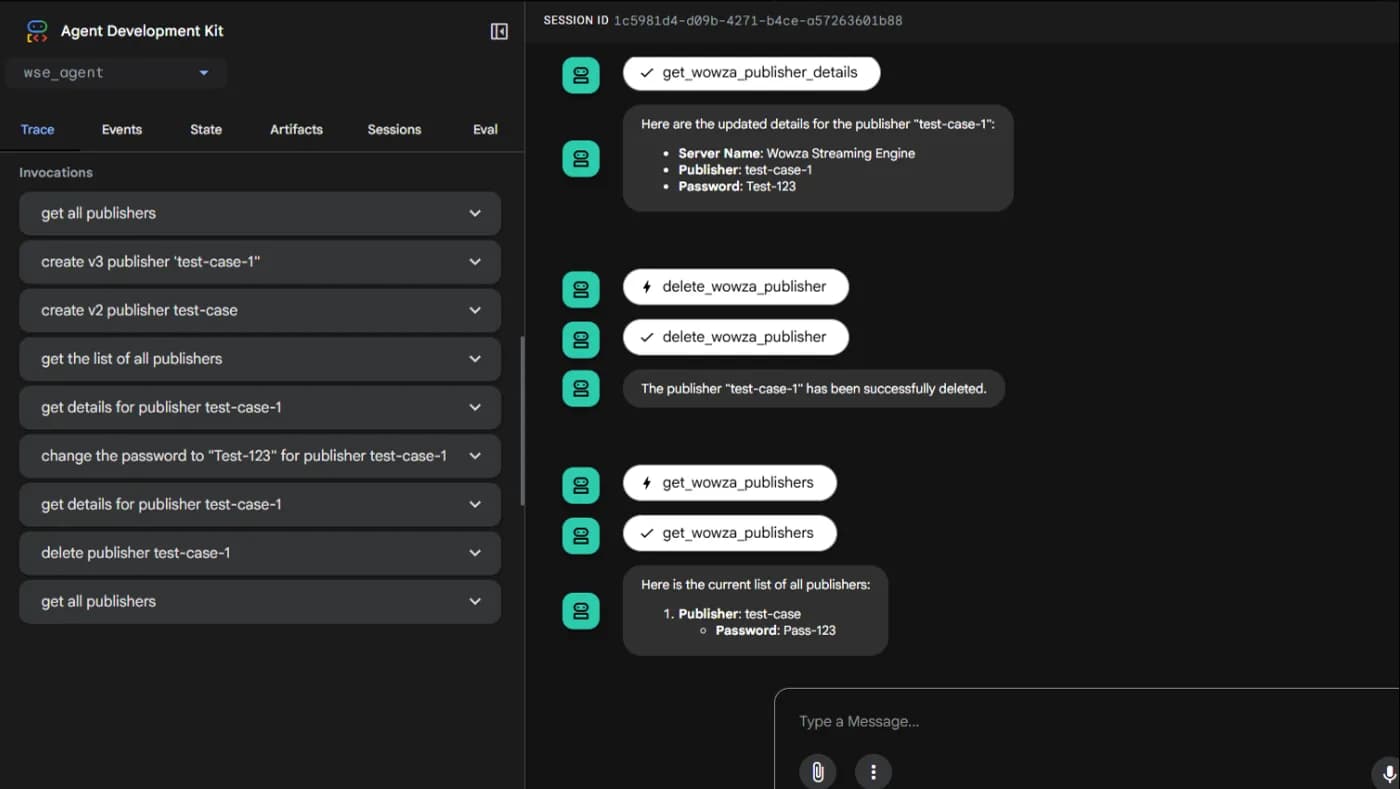
Wowza
Problem: manual configuration of streaming workflows across multiple media servers was blocking scale and consuming engineering time. Solution: RTC LEAGUE built an MCP-powered AI agent that orchestrates media server configuration and automates streaming workflows across the Wowza infrastructure. Outcome: manual configuration hours reduced substantially, engineering capacity redirected to product delivery.
Livekit Support, AI Agent Engineering, Agent Automation, Media Server, Cloud Infrastructure
AI SAAS, REAL-TIME COMMUNICATION
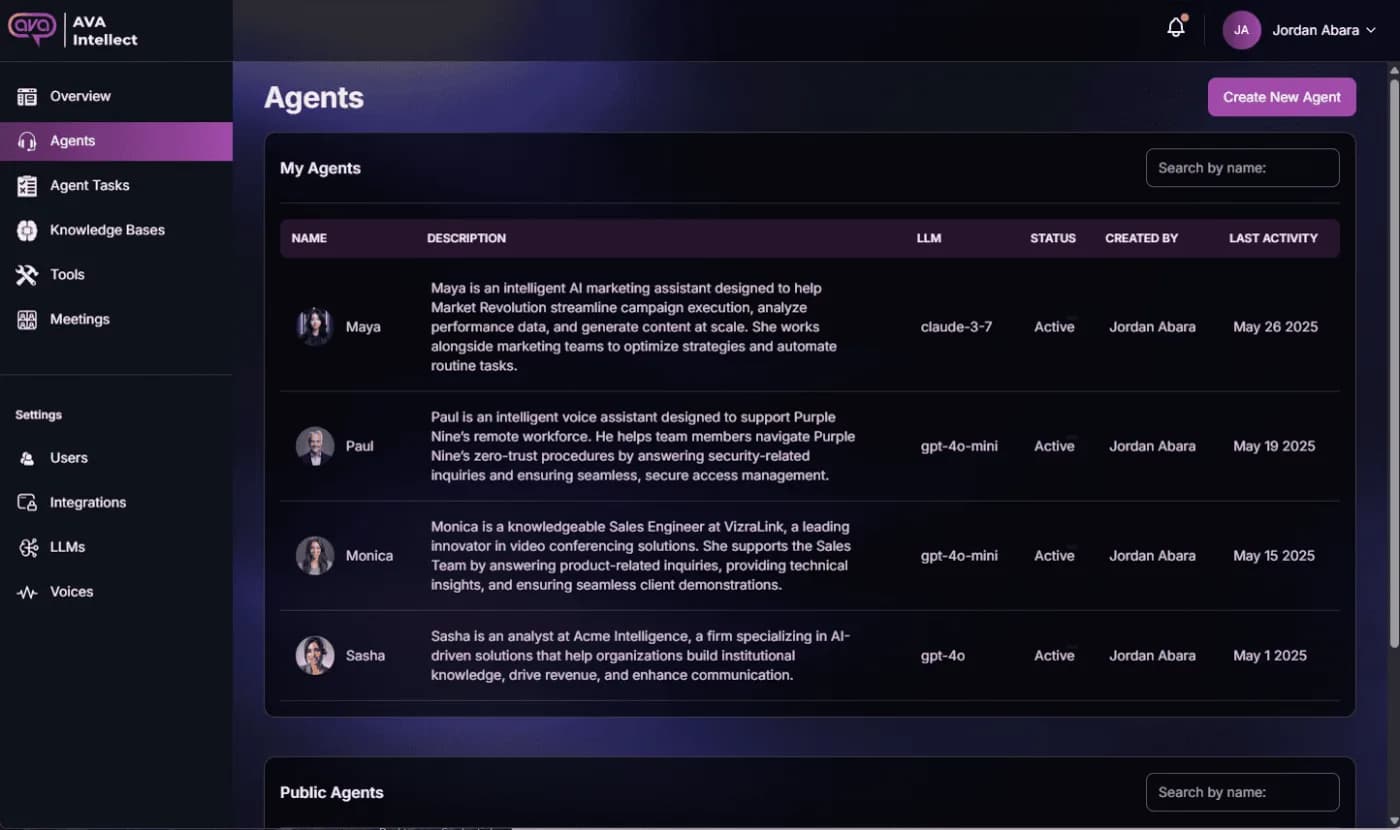
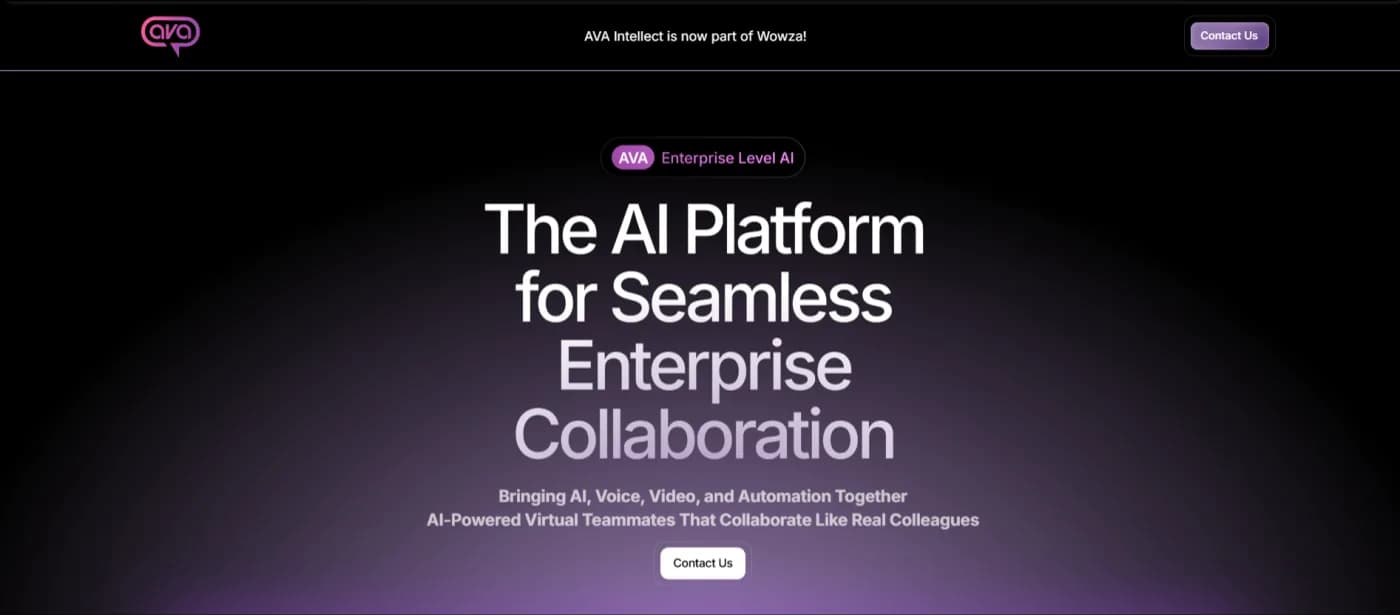
Ava Intellect
Problem: query resolution latency in the AI customer support voice pipeline was above the target for enterprise CX. Solution: RTC LEAGUE re-engineered the real-time voice layer with streaming STT and low-latency LLM routing at the WebRTC transport layer. Outcome: query resolution accelerated by 40%, with measurable lift in customer engagement.
Livekit Support, AI Agent Engineering, Agent Automation, Media Server, Cloud Infrastructure
AI SAAS, REAL-TIME COMMUNICATION
Frequently Asked Questions About WebRTC Development Services
Common questions about WebRTC development services, WebRTC as a Service engagements, media server selection, and AI integration.
Engineering the protocol layer is the difference between a demo prototype and a production platform. RTC LEAGUE delivers WebRTC systems that hold up under real users, mobile networks, and enterprise scale.
Explore Related RTC LEAGUE Services
WebRTC infrastructure is one layer of the RTC LEAGUE stack. Related services extend the platform into AI, enterprise data, and CRM workflows.

Agentic AI Development
Autonomous AI agents that plan, reason, and execute enterprise workflows on top of the WebRTC transport layer.

Custom LLM Development
Large Language Models fine-tuned on proprietary enterprise data for use inside WebRTC voice agents and messaging automation.

CRM Integration Services
Connect AI and WebRTC platforms to existing CRM systems including Salesforce, HubSpot, and custom enterprise data platforms.